
The Short Answer: Creditors lower litigation risk in debt recovery by following the Fair Debt Collection Practices Act, keeping proper documentation, and using attorneys who handle both pre-legal and legal work. Strong compliance and clean records turn a risky collection lawsuit into a recovery that holds up in court.
Recovering unpaid debt sounds simple: someone owes money, and you collect it. In practice, almost every contact with a debtor can create legal exposure. One misstep can lead to a counterclaim, a complaint to a regulator, or a dismissed case. This guide explains where that risk comes from, the rules that govern debt collection practices, and the steps that protect creditors during both consumer and commercial recovery.
Why Debt Recovery Creates Litigation Risk
Debt collection is one of the most heavily regulated parts of finance. Federal law gives debtors the right to sue when a debt collector breaks the rules, and many of those lawsuits win on technical errors rather than on the size of the debt.
The risk shows up in a few ways:
- A debtor files a counterclaim or affirmative defense inside your collection lawsuit.
- A debtor reports your firm to the Federal Trade Commission or a state regulator.
- A court throws out a claim because of a missing validation notice or weak records.
Under the Fair Debt Collection Practices Act, a debtor can recover actual damages, statutory damages, and attorney’s fees for a violation. That means a small unpaid debt can turn into a larger payout against the creditor. Knowing where the risk lives is the first step toward avoiding it.
The cost is rarely about one account. A debt collection agency or law firm that handles thousands of files at once can repeat the same error across a whole portfolio, which is how a single bad process turns into many claims. Regulators also track patterns, so repeated complaints draw more attention than a one-time slip. Steady, documented debt collection practices protect a creditor’s recovery and its reputation at the same time.
The Laws That Shape Debt Collection
Most debt recovery runs on a mix of federal and state rules. The two main federal sources are the Fair Debt Collection Practices Act and its rulebook, Regulation F.
| Law | What it covers | Who enforces it |
| Fair Debt Collection Practices Act (FDCPA) | Bans harassment, false statements, and unfair practices in consumer debt collection | FTC and CFPB |
| Regulation F | Sets call limits, validation notice content, and rules for text messages and email | CFPB |
| State collection laws | Add licensing, interest, and notice rules that change by state | State regulators |
One point creditors miss: the FDCPA generally applies to third-party debt collectors, not to an original creditor collecting its own accounts. Even so, courts and states have widened these duties, so most creditors follow the same standards to stay protected. You can read the full statute on the Federal Trade Commission site and the current rules on the CFPB’s Regulation F page.
Defenses and Challenges Creditors Should Expect
When a creditor files a collection lawsuit, the debtor can raise defenses that delay or defeat recovery. Planning for them early keeps a case on track, but most of these are avoidable with proper documentation and disciplined debt collection practices.
- Statute of limitations: every debt has a time limit for suit. Filing after that window, or on time-barred debt, can sink the case and trigger penalties.
- Improper validation notice: if the required notice was missing or wrong, the debtor may challenge the whole claim.
- Identity theft or mistaken identity: the debtor claims the debt is not theirs.
- Creditor harassment claims: repeated calls or contact that crosses the line can become a counterclaim.
- Bona fide error: this one runs the other way. A debt collector who makes an honest mistake despite reasonable procedures may use the bona fide error defense to avoid liability.
How Creditors Lower Their Litigation Risk
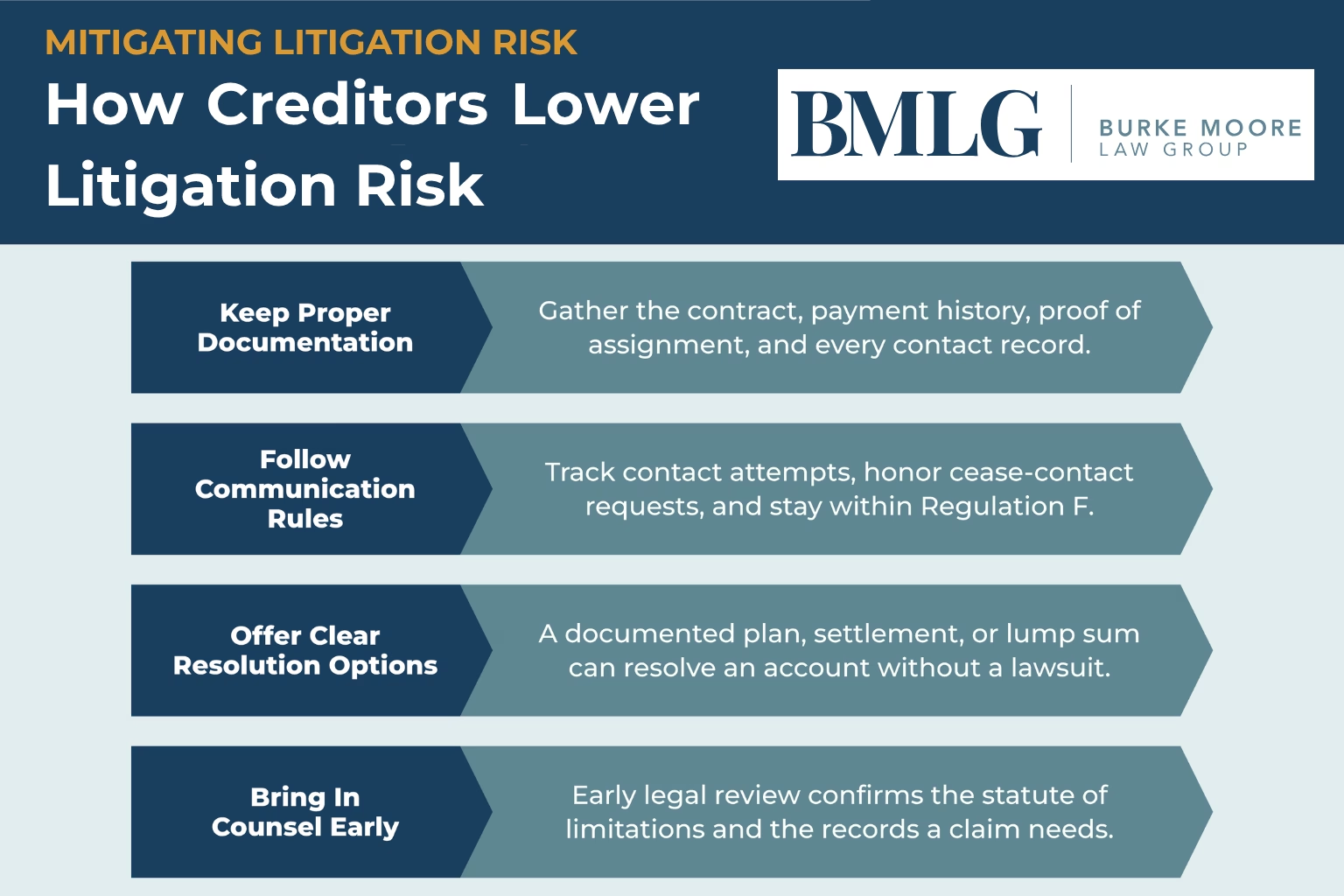
Most litigation risk is controllable. A strong process beats luck every time.
Keep Proper Documentation
Courts decide collection cases on records. Before pursuing any unpaid debt, gather:
- The written contract or credit agreement
- A full payment history and the current balance
- Proof of any assignment, which matters for a debt buyer that bought the account
- Records of every contact with the debtor
Build the file before the first collection call, not after a dispute. A complete record at the start makes a proof of claim, a settlement, or a lawsuit far easier to support later.
Follow the Communication Rules
Regulation F limits how often a bill collector can call and how text messages and email are used. Track contact attempts, honor cease-contact requests, and avoid anything that could look like creditor harassment or deceptive practices.
Offer Clear Resolution Options
Many accounts settle without a lawsuit. A documented payment plan, a debt settlement, or a lump sum offer can resolve a credit card debt faster and cheaper than litigation, while lowering the chance of a complaint.
Working with counsel early also protects the attorney-client relationship and keeps your strategy consistent across a large portfolio. A firm built for compliance can spot problems before they reach a courtroom.
Bring in Counsel Early
A law firm that handles recovery can review files before contact begins, confirm the statute of limitations, and check that each account has the proper documentation to support a claim. Early review also helps a creditor decide which accounts are worth a lawsuit and which are better resolved through a payment plan or settlement. Legal oversight from the start keeps the strategy consistent and lowers the chance of a misstep that invites a counterclaim.
Consumer Debt vs. Commercial Debt
The rules are not the same for every account. Consumer debt and commercial debt follow different paths.
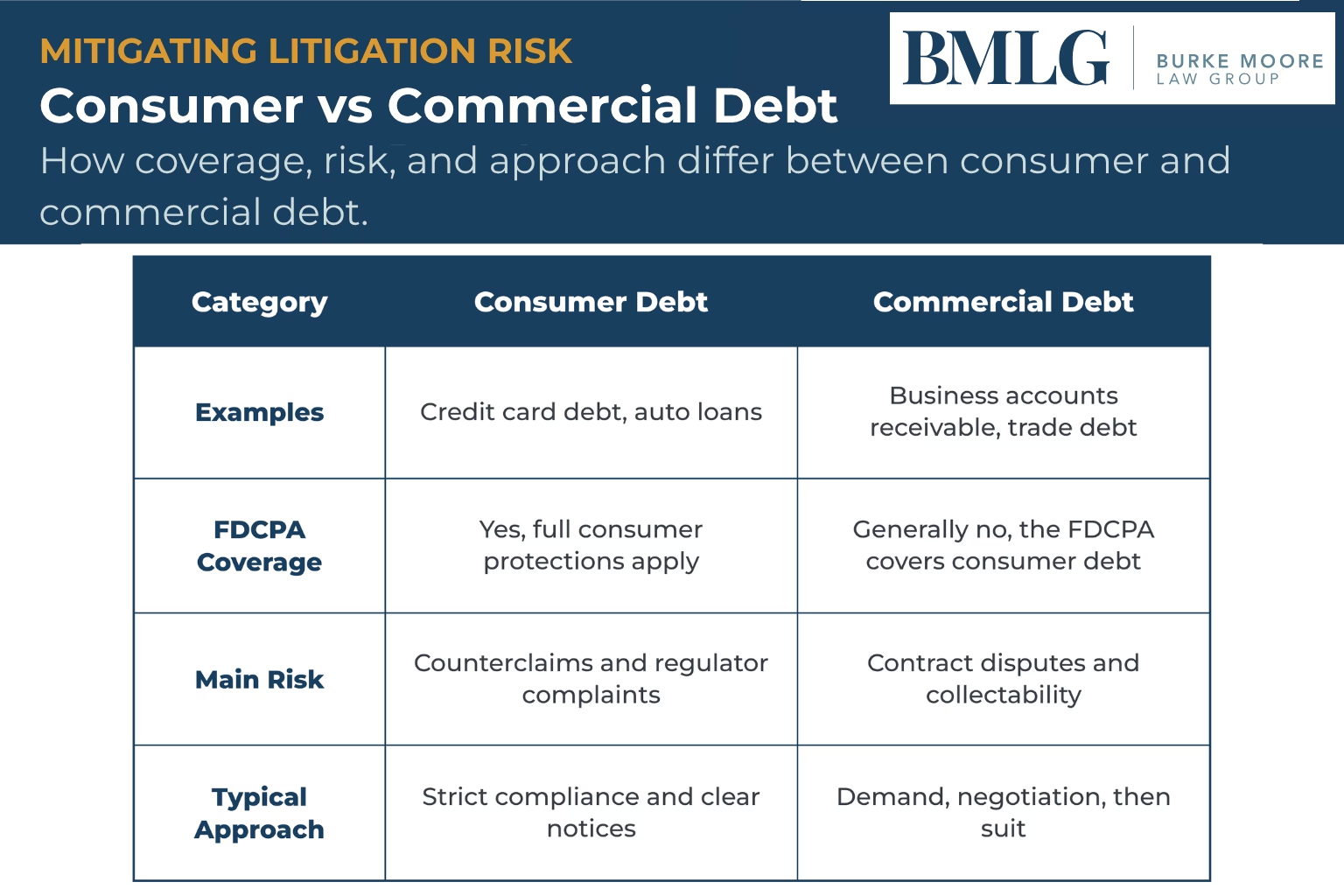
Even though the FDCPA usually does not cover business debt, commercial recovery still carries risk from contract terms and state law. Both types reward good records and a steady process.
When Recovery Becomes a Lawsuit

Sometimes negotiation fails and legal action is the right move. A debt collection lawsuit asks a court to confirm the debt and order payment.
If the debtor does not respond, the creditor may win a default judgment. After judgment, collection tools can include:
- Wage garnishment, where part of the debtor’s pay is redirected
- A levy on a bank account
- Liens on property
- Recovery of attorney’s fees and costs when a contract or statute allows it
If the debtor files for bankruptcy, an automatic stay halts collection at once, and the matter moves into a bankruptcy case with its own rules. A creditor who keeps collecting after the stay can face penalties, so fast legal review matters. Secured accounts may also move toward foreclosure or, for government-backed loans, SBA collection.
Build a Recovery Strategy That Holds Up
Debt recovery works best when collection and litigation follow one plan. Clean documentation, FDCPA-compliant debt collection practices, and early legal review keep accounts moving and lower the chance of a costly lawsuit. The creditors who recover the most are the ones who treat compliance as part of the process, not an afterthought.
Burke Moore Law Group is an Atlanta-based boutique law firm with more than 30 attorneys who represent banks, credit unions, and businesses in debt collection, bankruptcy, foreclosure, and SBA collection matters nationwide. Because the firm handles both pre-legal and legal recovery under one roof, creditors get consistent reporting and one point of accountability across the whole process. Contact Burke Moore Law Group to talk through a recovery strategy built to recover what you are owed while limiting litigation risk.
This article is general information, not legal advice.